Observed tool trial
Exa vs TinyFish: What a Three-Page Web Extraction Test Revealed
We ran both connected tools on three live pages and checked prices, scope, dates and links. See the observed mismatches, saved outputs and reusable checklist.
In this guide
- The useful starting point
- The task and checks were written first
- What each tool actually returned
- The price discrepancy was the consequential finding
- A current number still needs its label
- Keep a link check in the event workflow
- What we would use next
- Inspect the outputs. Repeat the test.
- Sources and further reading
The useful starting point
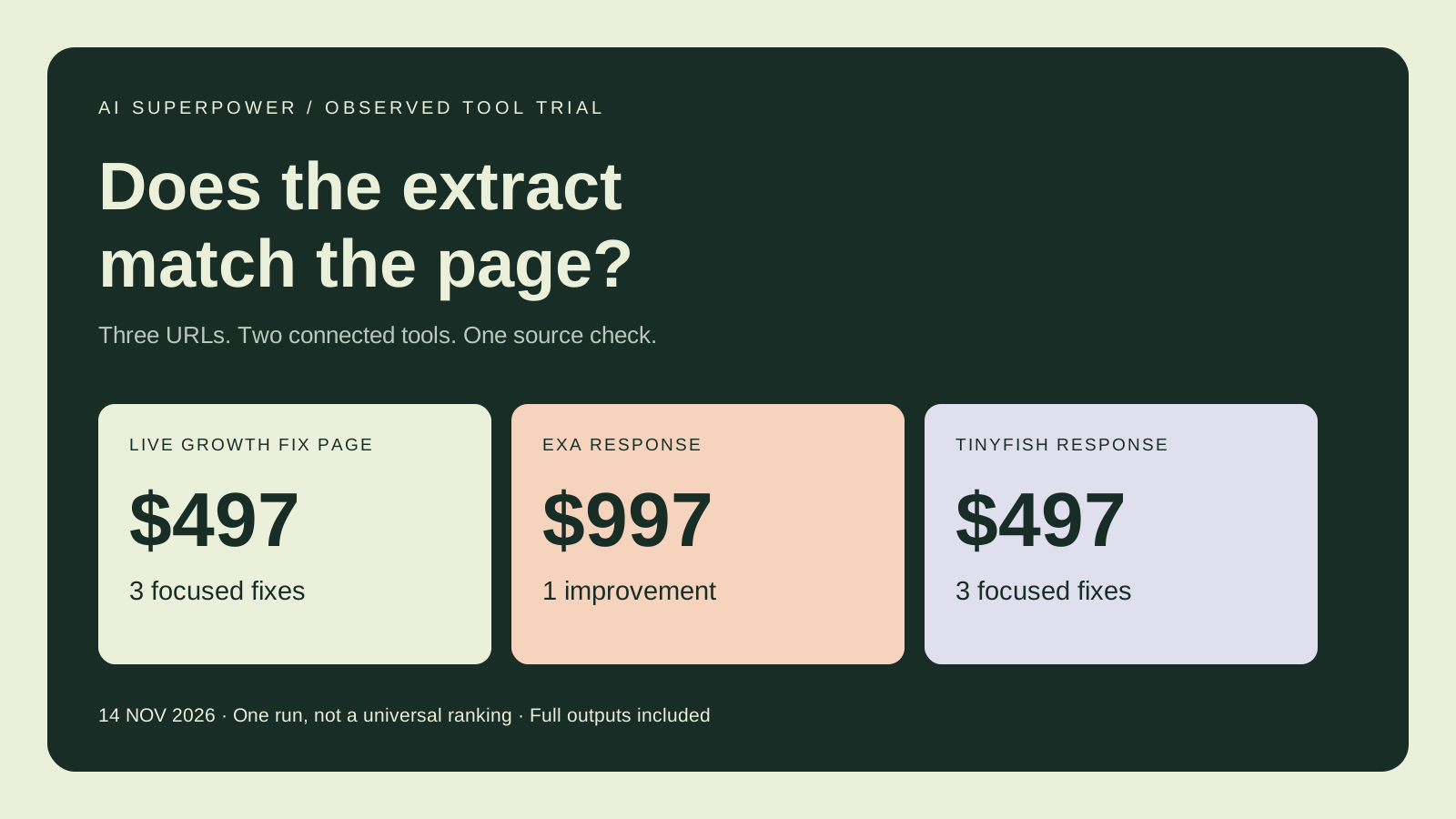
In this single run, TinyFish preserved the current $497 Growth Fix offer and useful download and organizer links. Exa returned a superseded $997 offer and omitted some needed links. TinyFish also dropped package-name headings on one page, so source checks remained necessary.
A web extract can look complete while missing the detail your next action depends on. We tested Exa and TinyFish through their connected extraction tools on the same three public pages, then checked their responses against separately retrieved live HTML. One response returned a retired price and scope. Another preserved current prices but dropped the package-name headings.
The practical question was simple: could we use each returned result to describe an offer, share a free sample, or help someone register for an event?
The task and checks were written first
The run began on November 14, 2026 at 00:49 UTC. We chose three pages we publish, so we could inspect the source directly: a digital-product service page, a private Growth Fix offer, and a local event roundup. The checklist required prices paired with scope, useful download or organizer links, preserved dates, and no invented conversion results or free-admission claims.
Each provider received one batch containing the same three URLs. Exa used a 20,000-character extraction limit. TinyFish requested Markdown with links and metadata, with images and iframes excluded and a 45-second limit per URL. These interfaces have different settings; this is an observed workflow comparison, not a controlled comparison of their internal systems.
What each tool actually returned
| Page and required result | Exa response | TinyFish response |
|---|---|---|
| Wealth Experiment: package prices, installment terms and both sample downloads. | Preserved the named $497 plan and $1,497 sprint with three $499 payments. Omitted the newly added sample section and both download destinations. | Preserved the prices, installment terms and sample text. Both download URLs appeared in the links array. The exact package-name headings were absent from the extracted text. |
| Agency Growth Fix: current private-service price, three-fix scope and separate workshop. | Returned the superseded $997 offer with one implemented improvement. The current $497 service and separate $97 workshop distinction were absent. | Returned the current $497 private service, three implemented fixes and separate $97 group workshop. |
| SouthFLAI: roundup window and upcoming events with usable organizer URLs. | Preserved the November 12–18 window and upcoming event dates. The returned text did not include organizer destination URLs. | Preserved the window and upcoming event dates. Organizer URLs were available separately in the links array; they still needed to be matched to the relevant event. |
Neither response reported a measured conversion increase for our new sample or guided intake. Neither described the library class as free when its fee was not stated. Those checks matter, but they do not cancel a wrong price or a missing registration link.
The price discrepancy was the consequential finding
At the time of our independent check, the live Growth Fix page offered three focused improvements for $497. Exa’s returned text described one improvement for $997. An assistant using that extract without verification could quote the wrong offer.
This establishes a mismatch in this response. It does not establish why the mismatch occurred. The response did not expose a cache timestamp or enough retrieval details to distinguish caching, extraction behavior or another cause. We did not run a second configuration or request a refresh.
A current number still needs its label
On the digital-product page, TinyFish returned the new sample and usable file URLs. It also preserved $497 and $1,497 with the installment terms, but omitted the exact “Product & Audience Plan” and “Build & Launch Sprint” headings from its text. The surrounding descriptions helped, yet a precise product comparison still needed a source check.
Exa preserved those names and prices, but missed the sample. There was no single response that removed the need to review this page. This is why our checklist asks for a fact together with its label and destination, rather than counting words extracted.
Keep a link check in the event workflow
Both outputs included the roundup’s date window and upcoming November 16 and 18 events. TinyFish’s separate links array included the organizer destinations. Exa’s returned text named the events but did not contain those destination URLs.
For a calendar assistant, recognizing an event is only part of the job. A usable result also needs the correct registration destination and the organizer’s current attendance terms. Check those before sending an invitation or telling someone to travel.
What we would use next
For this three-page task, TinyFish supplied more of the current information and destination links needed to continue. We would still check package labels and map links to events. Exa’s response needed a new source check for the offer price and additional retrieval for the sample and organizer URLs.
We have not established a universal winner. This was one batch per provider, using publisher-owned pages. We did not measure billed cost, repeatability, full review time or performance across unrelated sites. A continuing workflow should repeat the important cases on another day and include external pages before choosing a default.
Inspect the outputs. Repeat the test.
Download the original responses and source-check record. The JSON includes the prewritten criteria, configuration notes, returned text and links, independently captured source text, and the limits of this run. Get the reusable extraction checklist for your own pages.
Use the tool-trial planner to define a task and acceptance checks. Our ten-tool field guide offers other trial ideas; this article supplies a separate, completed extraction example. The products in that shortlist were not tested as part of this run.
Sources and further reading
- Live Growth Fix offer
- Wealth Experiment product launch and free sample
- South Florida AI weekly roundup
- Dated extraction evidence and original responses
Sources checked November 14, 2026. Tool features and plan availability can change; review the linked publisher documentation before connecting an account.
Put one idea to work
Compare a tool on work you understand, measure review effort, and keep the result only when it improves the task.
Plan a useful tool trial →Explore more from AI SuperpowerKeep practicing
 Technology field notes
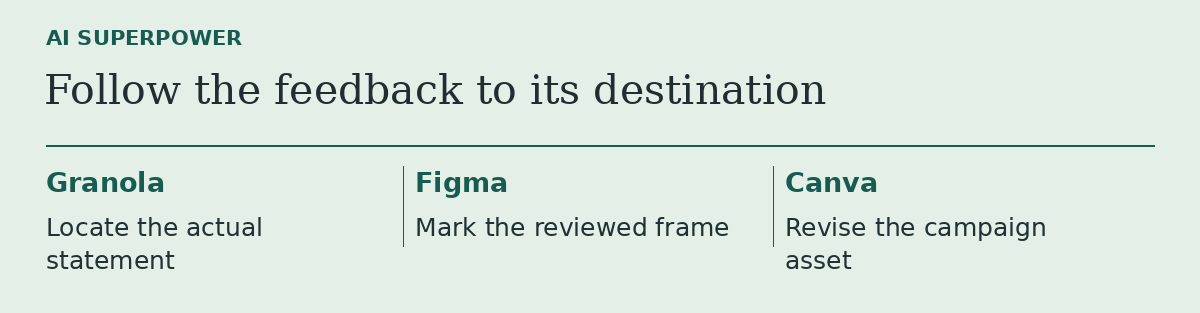
Granola, Figma or Canva? Follow one piece of feedback to the right tool
Three product updates make more sense when you start with the file you need to change.
November 18, 2026 · 2 min read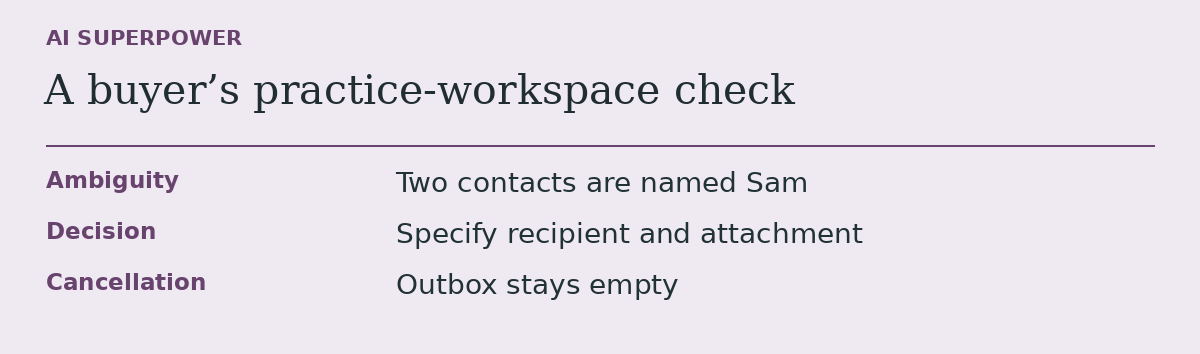 Technology field notes
Before you subscribe to an AI agent, give it a task it should leave unfinished
An acceptance test for buyers who need to know what an agent does when information runs out.
November 18, 2026 · 2 min read