Turn source notes into a checkable research brief: compare the options
A short brief that separates supported facts, proposals and unanswered questions. Compare task fit, setup, exports and costs with the same practice case.
One task. A clearer choice.
 01
One useful task
Choose one result and three checks. Keep the same brief for every tool.
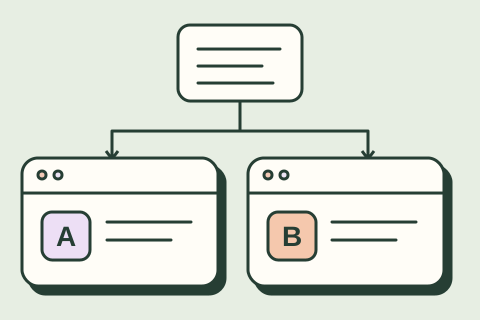 02
The same starting point
Copy the same sample into each tool. Keep the plan, settings and first result.
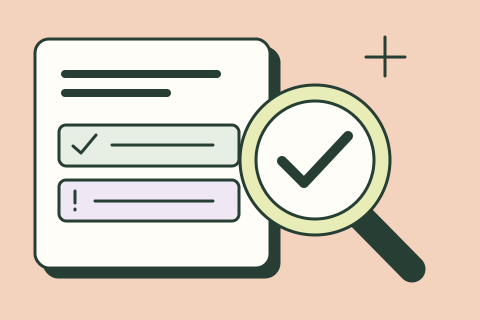 03
A result you can trust
Check the work against the source. Count the fixes and the time they take.
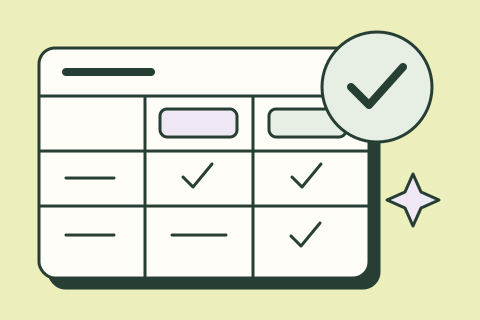 04
A choice you can explain
Compare quality, total effort and cost. Save your evidence and next step.
Three sources become a checkable brief
A research note, an operations update and an unapproved offer. Supported facts, open questions and one decision.
Keep the source pack small
Give each tool S1, S2 and S3, with the same question.
Finish with: Supported facts, open questions and one decision.
Three of five pilot participants asked about quieter calls.
Two call rooms. Weekdays, 9am–5pm.
$49 membership and evening access have been suggested.
Now try the same task.
Copy the sample and prompt. Run them in your chosen tools, then record what you observe.
Product information reviewed 2026-11-08. Use the practice example to run your own comparison.
| Decision | Gemini Notebook (formerly NotebookLM) | Perplexity | ChatGPT |
|---|---|---|---|
| Task fit | Organizing an approved source pack and following citations back to that material. | Discovering sources for a public question; evaluate closed-source synthesis separately. | Drafting and revising a brief with instructions, supplied text or supported files. |
| Setup effort | Check supported sources, account access and document permissions. | Define the question, date range and permitted source set. | Record model, plan, enabled tools and the permitted input. |
| Connections to verify | Verify source updates and sharing permissions rather than assuming a connected notebook stays current. | Confirm available file and research features on the actual plan. | Use only approved accounts; a connector is not necessary for this fictional exercise. |
| Export / portability | Keep the brief and original source references together; test the export you need. | Check that the exported brief retains usable links and dates. | Verify the final text or file and its evidence trail outside the conversation. |
| Current pricing | Check provider Verify plan and limits ↗ | Free plan with limited usage; paid Pro and Max plans add capabilities and higher limits. Verify plan and limits ↗ | Free access with limits; paid plans expand access. API usage is billed separately. Verify plan and limits ↗ |
| Observed performance | Not tested in this guide | Not tested in this guide | Not tested in this guide |
Open your candidates.
Run a fair comparison.
Give each candidate the same sample and allowed time. If it cannot perform the whole task, record the extra tool or manual step. This is a closed-source synthesis exercise, not a test of live search coverage. Use S1–S3 in every tool. If a tool adds outside research or cannot use this source pack, record that limitation rather than changing the test for that candidate.
Fictional sources for a practice exercise. These are not real companies or research findings.

S1 — Harbor Desk pilot notes, November 2, 2026: Five invited consultants tried a booking-page prototype. Three asked for a quieter room for calls. This was a convenience sample; no paid-membership decision was requested.

S2 — Operations note, November 5, 2026: Two call rooms can be reserved. Staffed hours are weekdays, 9am–5pm. Evening access is not approved.

S3 — Draft campaign idea, November 6, 2026: Proposed headline: “A quiet desk whenever you need it.” A $49 introductory membership and evening access were suggested, but neither was approved.

Question: What can the team responsibly say in a tour invitation, and what needs an owner decision?
Acceptance checks
- Every factual statement points to S1, S2 or S3 and matches that source.
- The five-person convenience sample is not presented as proof of demand.
- The $49 price and evening access remain unapproved proposals.
- The conflict between “whenever” and weekday hours is explicit.
- No invented quotation, claim of approval or outside fact enters the brief.
Record date, plan, model/settings, output, errors, work time, correction time and export result. A failed check remains a failure even when the draft looks polished.
Compare the monthly cost of each option.
Enter the current USD price for your plan. Use 0 for an included/free tool and leave unknown costs blank. These are your assumptions, not live quotes. Each candidate is calculated separately; you do not need to buy all three.
Price × seats ÷ billing months + usage/hosting. Excludes tax, setup labor, credits beyond your estimate and maintenance. Annual plans can require payment upfront. Entries stay in this page.
Sources and limitations
Plan terms change. Provider descriptions are not independent performance evidence. No score, testimonial or measured time saving is implied.